This week’s NAS100 trade was another quiet reminder of why I trust my process — and why patience pays me more than speed ever could.
At first glance, the price looked tempting. Moves were happening. Momentum was obvious. But I’ve learned that reacting early usually costs me clarity later. So I did what I always do: I stepped back and let the market come to me.
Higher Timeframe Bias — Daily (D1)
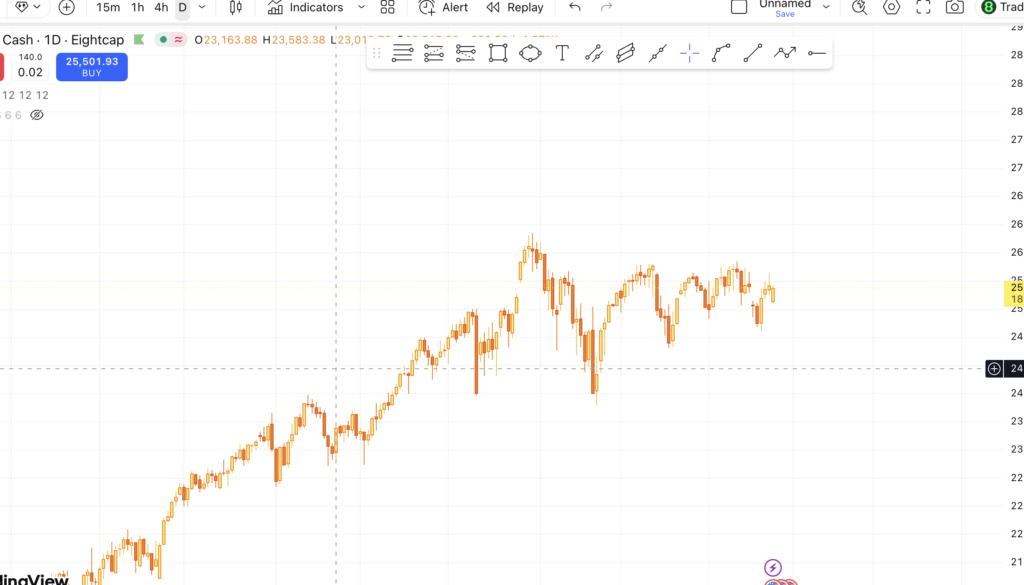
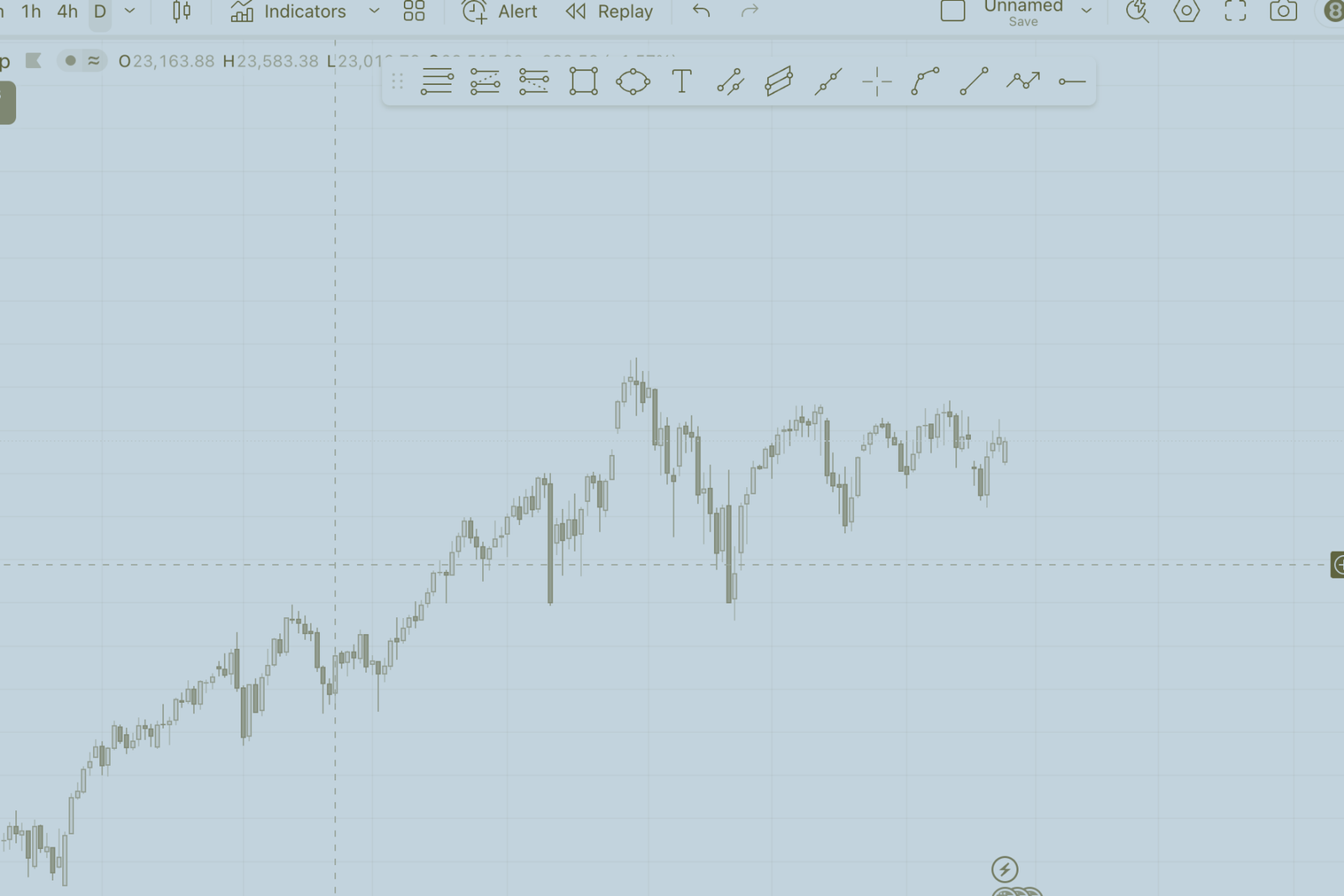
On the Daily chart, the story was already written.
Market structure was bullish. Higher highs. Higher lows. Clean direction. No confusion.
That’s all I needed.
The Daily didn’t tell me where to enter — it simply told me what side of the market I should be on. And that’s an important distinction. I wasn’t here to predict tops or bottoms. I was here to align.
Longs only. Everything else was noise.
(This approach builds directly on what I discussed in my previous post about higher-timeframe alignment — you can read that here: [How I Simplified My Trading and Built a Profitable NAS100 Swing Strategy].)
Refinement on the 1H Chart
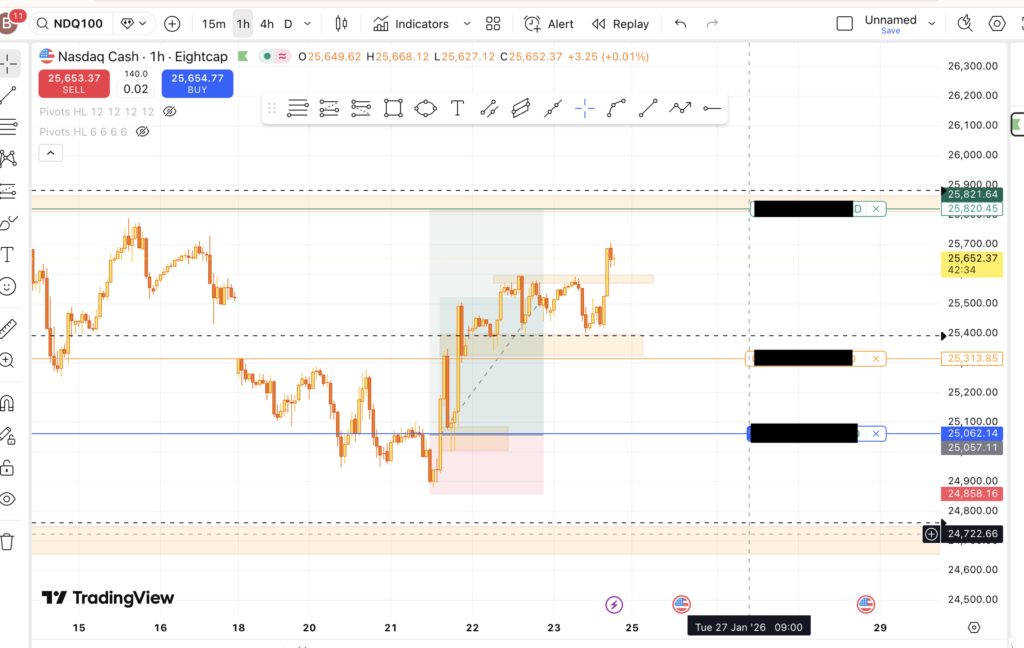
Dropping down to the 1H timeframe, things started to slow down — in a good way.
Price had already reacted strongly from a lower area and began forming higher lows. That told me buyers weren’t just present; they were defending structure.
Instead of chasing the impulsive move, I marked out:
- A clear support zone
- The previous structure that price could reasonably pull back into
This step matters to me because I don’t trade excitement. I trade confirmation. If the price wanted to continue higher, it would give me a place to work from. If it didn’t, I’d stay flat. Either outcome was fine.
Execution on the 15M
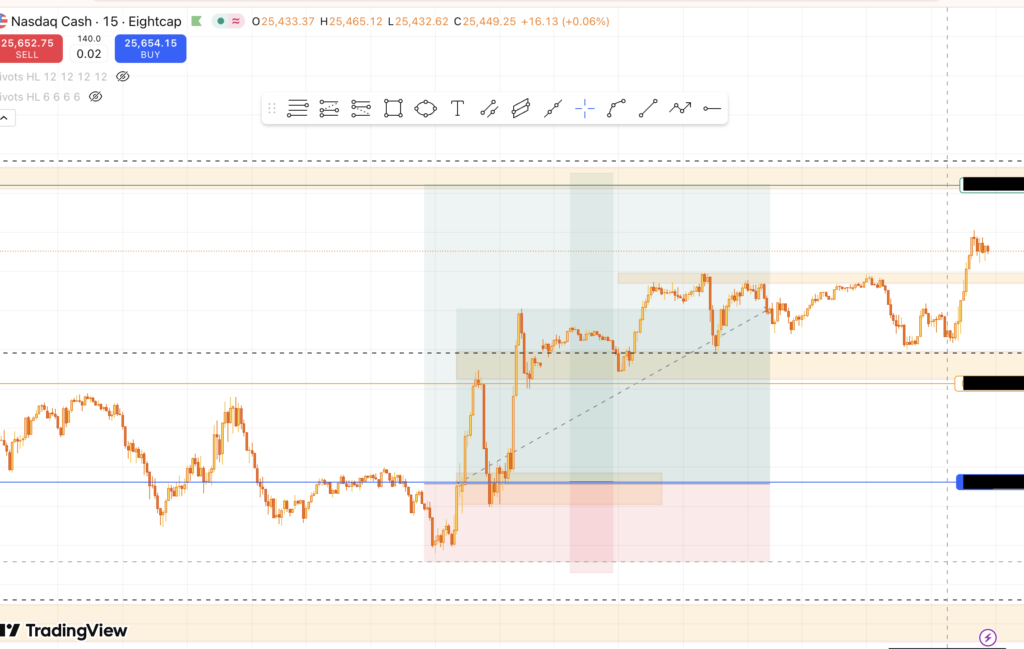
The 15M chart did exactly what I was waiting for.
Price pulled back into my zone.
Structure held.
Momentum shifted back in line with the Daily bias.
That was the entry.
No rush. No guessing. No “maybe it’ll go.”
My stop went below structure — not emotional, not random. My target was aligned with higher-timeframe liquidity and previous highs.
Simple. Intentional. Planned.
The Result
Price respected structure and continued higher, validating the Daily bias and — more importantly — the patience exercised on the lower timeframes.
But the real win wasn’t the outcome.
It was the way the trade unfolded:
- No FOMO
- No over-management
- No forcing price to do what I wanted
Just execution.
Key Lesson
This trade reinforced something I keep relearning:
When the higher timeframe is clear, the lower timeframe becomes easy.
Waiting for the price to come into my area has done more for my consistency than any indicator ever could. Discipline isn’t loud. It doesn’t feel exciting. It’s quiet, boring, and repetitive — and that’s exactly why it works.
Final Thoughts
This trade wasn’t about catching the bottom or the top.
It was about alignment.
- Daily for direction
- 1H for structure
- 15M for precision
Same process. Every time.
Disclaimer
This content is for educational and journaling purposes only and does not constitute financial or investment advice. Trading involves risk, and past performance is not indicative of future results. Always do your own analysis and trade according to your personal risk management rules.