Last week tested me — not technically, but emotionally.
I took three trades.
Two were losses.
One is still open as I write this.
And if I’m being honest with myself (which is the whole point of this journal), the biggest issue wasn’t my strategy… it was me.
Fear was sitting right next to me while I was trading. Not loud fear. Quiet fear. The kind that whispers, “You’re down too much. You need this trade.”
That’s dangerous.
The Emotional Backdrop (Let’s Start Here)
I’m currently 63–73% down across both my live and prop firm accounts. That reality has weight. And whether I want to admit it or not, it influenced my decision-making.
Instead of letting the market come to me, I found myself:
- Feeling rushed
- Overthinking outcomes
- Wanting trades to work instead of waiting for trades that made sense
Fear doesn’t always show up as panic. Sometimes it shows up as impatience disguised as confidence.
And I fell for it.
(This ties directly into Why I Started This Trading Journal — because without writing things like this down, it’s easy to lie to yourself.)
Trade One: Entering Too Early (Fear of Wearing a Mask)
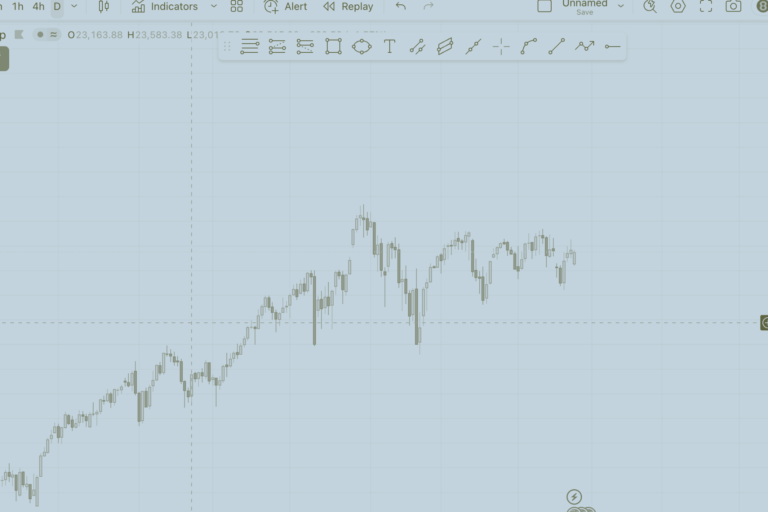
On this trade, I entered based purely on higher-timeframe bias.
Yes, the Daily Bias made sense.
Yes, directionally, I wasn’t wrong.
But here’s where I broke my own rules:
❌ I did not wait for lower-timeframe confirmation
❌ I entered before structure aligned
❌ I traded anticipation, not confirmation
This was classic FOMO behavior, even though it didn’t feel dramatic in the moment.
I wasn’t patient. I was afraid of missing the move — and fear doesn’t belong in execution.
This directly contradicts what I wrote in Letting the Market Come to Me (NAS100 Trade Journal). Same market. Same strategy. Different emotional state.
Lesson:
Higher timeframe bias gives direction — not permission to rush.
Trade Two: A Good Idea, Poor Management
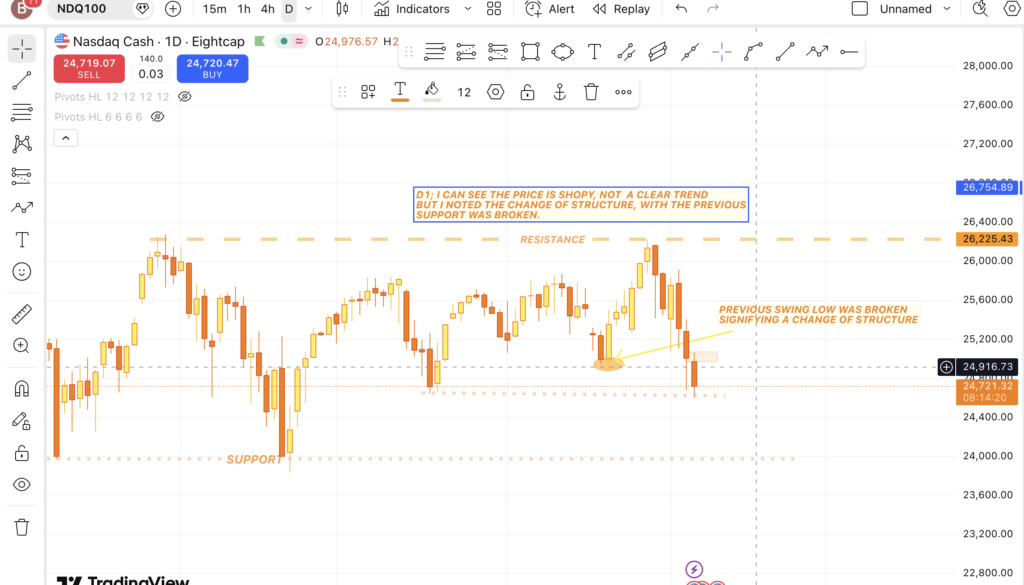
This one hurts a bit more… because technically, it was a good trade.
The setup:
- Short position aligned to the downside
- Structure made sense
- Entry was reasonable
The trade moved in my favor. I had gains. Everything looked fine.
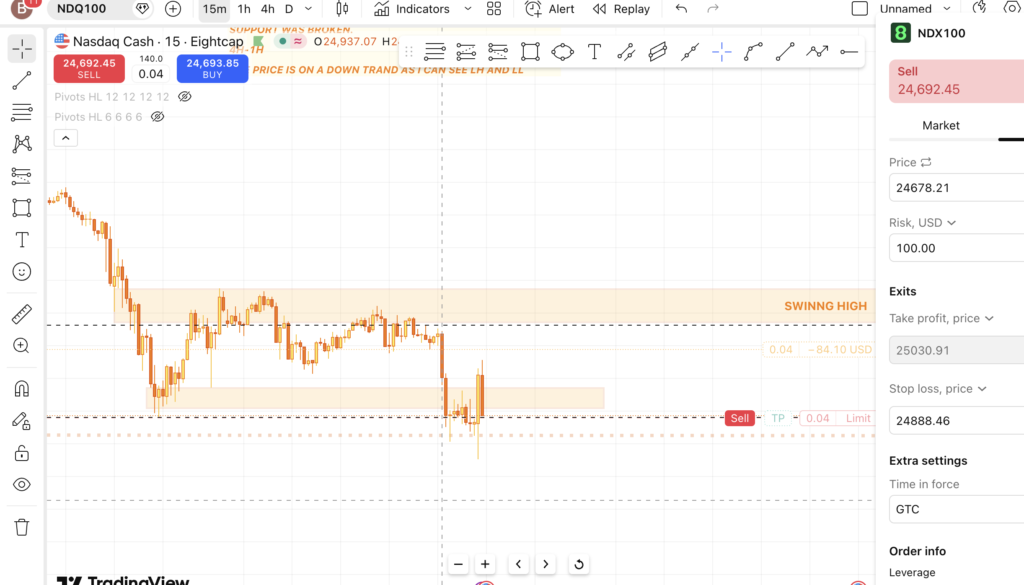
But here’s where discipline slipped again — quietly.
I’m a swing trader.
I trail stops using 1H structure.
That’s my rule.
And the truth?
I did not get a valid new 1H lower high / lower low to trail my stop behind.
Instead of accepting that and letting the trade breathe, I hesitated.
I didn’t adjust.
I didn’t protect properly.
And when the price reversed, it took everything back and stopped me out.
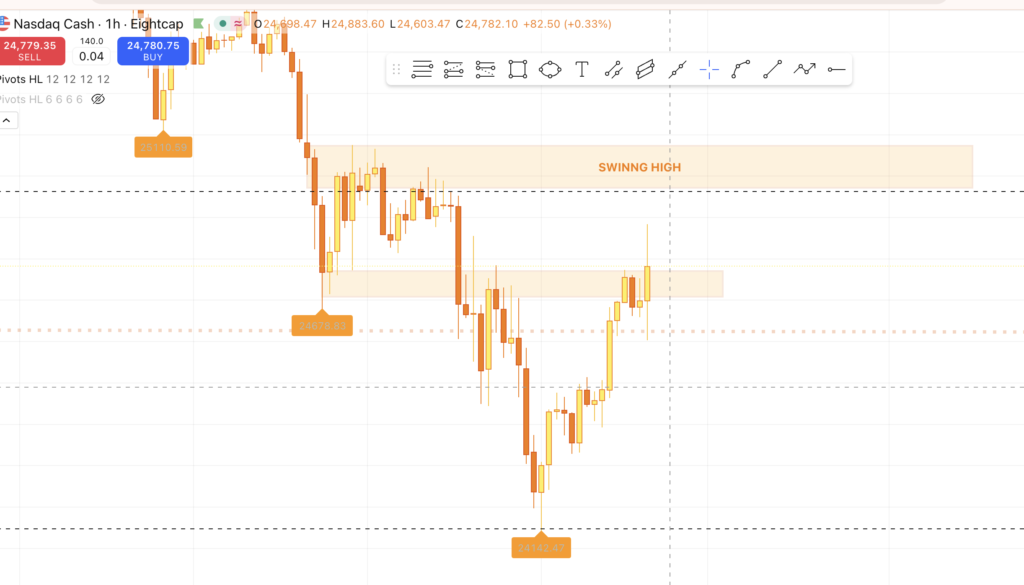
Nothing “went wrong” in the market.
I simply:
- Expected structure that wasn’t there
- Failed to manage based on actual price behavior
- Let hope replace rules
This trade reminded me of something I wrote in The Hard Truth I Learned in Trading:
Being right means nothing if you don’t manage correctly.
The Bigger Pattern I Can’t Ignore
Looking back at my journal, something else became obvious:
🟡 My rest has been poor
🟡 My patience has been thin
🟡 I’ve been trying to “fix” the drawdown with activity
That never works.
Rushing. Overleveraging. Taking any trade just to feel in control — that’s how accounts disappear quietly.
Right now, the truth is simple:
One trade a week — or even no trade — is better than losing another dollar.
That’s not a weakness. That’s maturity.
What I’m Adjusting Going Forward
Here’s what I’m committing to (and writing it publicly so I can’t dodge it):
- I will only trade with confirmation, not bias alone
- If structure doesn’t form, I stay out
- If the 1H structure doesn’t give me a trail level, I accept it
- Rest is part of risk management
- Patience is not optional — it’s the strategy
This aligns directly with How I Simplified My Trading and Built a Profitable NAS100 Swing Strategy. The plan works — when I follow it.
Final Thoughts
Last week didn’t expose a broken strategy.
It exposed a tired mind and a fearful heart.
And that’s okay — as long as I listen.
This journal isn’t about pretending to be disciplined.
It’s about becoming disciplined — slowly, honestly, and one decision at a time.
Same process.
Fewer trades.
More patience.
The market isn’t going anywhere. I don’t need to chase it.
Disclaimer
This content is for educational and journaling purposes only and does not constitute financial or investment advice. Trading involves risk, and past performance is not indicative of future results. Always conduct your own analysis and trade according to your personal risk management rules.